






 課程簡介
課程簡介
Microsoft SQL Server 2016 是一套充分具備雲端支援能力的資訊平臺,
將協助企業以前所未有的洞察能力,深入了解整個組織的發展現況,並且
快速提供解決方案,藉以跨越企業內部及公共雲,來快速擴展資料應用,
讓您對關鍵任務系統的運行充滿信心。
從伺服器到雲端,SQL Server 2016 皆可按照所需來供應,可依您的條件
彈性選擇部署方式:不論是私有雲或公有雲,部署皆可選擇與 SQL Server
2016 互通。大幅突破各種單一部署環境上的限制:利用共通架構的優勢,
能夠跨越傳統伺服器、裝置,以及雲端。對於 SQL Server 2016 與 SQL Azure
已經可以做到虛擬化、提供隨需存取的能力、具有自助式的供應,
並且以量表來評估用量。
在課程當中我們提供一系列的講解,讓您能夠快速了解 SQL Server 2016
全新的功能組合,如介面管理、功能應用、安裝設定、產品授權、以及建
立與管理私有雲數據庫。課程中將探討一些最主要的元件,教授如何將企
業的數據庫系統帶往雲端世界。

|
 有志投身
I.T. 界的人仕系統管理人員,電腦技術員對最新的
Microsoft 產品技術有興趣 有志投身
I.T. 界的人仕系統管理人員,電腦技術員對最新的
Microsoft 產品技術有興趣
修讀條件:具有
Windows Server 操作經驗擁有互聯網及
TCP/IP 的基本概念對數據庫管理及運作有濃厚與趣 |
 |
課程包括:導師精心編製
MCSE: SQL Server 2016 課程筆記Microsoft MCSE:
SQL Server 2016 電子書課本Microsoft
SQL Server 2016 試用版光碟一隻課程實習 CD-ROM 一隻一人一機實習,針對各科考試要點溫習再配合不同層次的
Lab Test 練習終極更新的模擬試題連參考答案課程由 Microsoft Certified Trainer (MCT) 親自統籌 課程電腦設備:

授課語言:
課程全長:
MCSE : SQL Server 2016 課程 - 全科 70-764 , 70-765 , 及 70-464
12 堂 x 3 小時 ( Instructor-Led 導師主導課堂 : 理論 + 實戰 ) 及 6 小時 ( 自修研習時段 ) , 合共 42 小時
MCSE : SQL Server 2016 課程 - * 單科 70-464 Developing Microsoft SQL Server Databases
4 堂 x 3 小時 ( Instructor-Led 導師主導課堂 : 理論 + 實戰 ) , 合共 12 小時
開課及上課日期 ( 真人教授 , 1 人1 機 , 100% 保證開班 ) :
立即報名即可以 優惠價 預留下期 (新制) 學額 !
注意 : 本中心於編定課程日程的時候已照顧在職人仕需要 , 於一般 香港公眾假期 ( 紅日 ) 及 節慶日 ( 如 : 冬至 / 除夕 ) 不用上課 .
* 特別列明的課程除外 ( 例如 星期日班 , 聖誔特別班 等等 . )
( 登記成為 金會員 或 365 特級會員 即可 免費報讀 本課程 , 詳情按此 )
立即報名即可以 優惠價 預留下期 (新制) 學額 !
MCSE 全科 (70-764 + 70-765 + 70-464)
HK$ 5,480 ( 正價 )
MCSE 單科 70-464 - Developing Microsoft SQL Server Databases
HK$ 2,480 ( 不可 與其他優惠同時使用)
( 通過 WhatsApp 即可查詢優惠詳情 )
|
請即致電 2380 9888 / WhatsApp 確認優惠 . 所有優惠 適用 於 2021 / 2022 開課的課程 . * 需於 2022 年 1 月 3 日 (星期一) 或前 #完成報名手續 . |

提示 : 你可在薪俸稅下申請扣除你的個人進修開支 (包括本課程的 課程費用 及 考試費用) .
學員報讀課程時 , 可以 選擇 保留學額 , 並於 12 個月 內 展開 所報讀的 課程組合 , 進修日程更具彈性 !
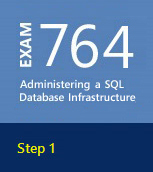



試題數量: 44-50 題
考試時間: 120 分鐘
合格分數: 700 / 1000 分
模擬試題參考

(70-765) Provisioning SQL Databases
試題數量: 44-50 題
考試時間: 120 分鐘
合格分數: 700 / 1000 分
模擬試題參考
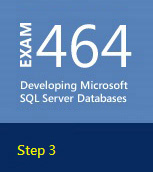
(70-464) Developing Microsoft SQL Server Databases
試題數量: 44-50 題
考試時間: 120 分鐘
合格分數: 700 / 1000 分
模擬試題參考
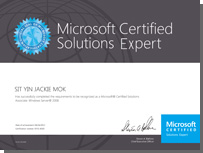
成功通過考試後獲得的國際認可證書及資格:
Create
Database Objects• Create and alter tables using T-SQL syntax (simple statements).
• Create and alter views (simple statements).
• Design views.
• Create and modify constraints (simple statements).
• Create and alter DML triggers.
Work
with Data• Query data by using SELECT statements.
• Implement sub-queries.
• Implement data types.
• Implement aggregate queries.
• Query and manage XML data.
Modify
Data• Create and alter stored procedures (simple statements).
• Modify data by using INSERT, UPDATE, and DELETE statements.
• Combine datasets.
• Work with functions.
Troubleshoot
& Optimize• Optimize queries.
• Manage transactions.
• Evaluate the use of row-based operations vs. set-based operations.
• Implement error handling.
(70-765) Provisioning SQL Databases 課程內容 :
Install
and Configure• Plan installation.
• Install SQL Server and related services.
• Implement a migration strategy.
• Configure additional SQL Server components.
• Manage SQL Server Agent.
Maintain
Instances and Databases• Manage and configure databases.
• Configure SQL Server instances.
• Implement a SQL Server clustered instance.
• Manage SQL Server instances.
Optimize
and Troubleshoot• Identify and resolve concurrency problems.
• Collect and analyze troubleshooting data.
• Audit SQL Server instances.
Manage
Data• Configure and maintain a back up strategy.
• Restore databases.
• Implement and maintain indexes.
• Import and export data.
Implement
Security• Manage logins and server roles.
• Manage database permissions.
• Manage users and database roles.
• Troubleshoot security.
Implement
High Availability• Implement AlwaysOn.
• Implement database mirroring.
• Implement replication.
Implement
Database Objects• Create and alter tables (complex statements).
• Design, implement, and troubleshoot security.
• Design the locking granularity level.
• Maintain indexes.
• Implement data types.
• Create and modify constraints (complex statements).
• Work with XML Data.
Implement
Programming Objects• Write automation scripts.
• Design and implement stored procedures.
• Design T-SQL table-valued and scalar functions.
• Create, use, and alter user-defined functions (UDFs).
• Create and alter views (complex statements).
Design
Database Objects• Design tables.
• Design for concurrency.
• Create and alter indexes.
• Design data integrity.
• Design for implicit and explicit transactions.
Optimize
and Troubleshoot Queries• Optimize and tune queries.
• Troubleshoot and resolve performance problems.
• Optimize indexing strategies.
• Capture and analyze execution plans.
• Collect performance and system information.