




 課程簡介
課程簡介
為什麼選擇 PMI PMP 認證?
日新月異的全球商業環境中,高效的專案管理已成為企業推動創新與數位
轉型的核心引擎。由美國專案管理協會 PMI (Project Management Institute)
發起的 PMP(Project Management Professional),是全球認受性最高
、最具權威性的專案管理認證。
PMP 認證超越了行業與地域限制,在全球 190 多個國家和地區被視為衡量專案經理
(Project Manager)專業知識、領導力與業務戰略執行力的絕對標準。無論您工作
於資訊科技、金融、建造工程、還是製造業,持有 PMP 證書都代表您掌握了國際通用的
專案管理能力,能夠為企業帶來實質的高品質交付成果,更是職場晉升與加薪的黃金跳板。
全面對接最新 PMBOK® 第 8 版:擁抱 AI 與現代管理思維
專案管理的方法論正迎來史上最重大的變革。本課程緊貼 PMI 官方最新發布的 《PMBOK® Guide》第 8 版
核心標準進行全新升級教學,協助學員擺脫過時的傳統框架,無縫接軌現代專案環境:
• 重塑專案交付流程:第 8
版全面革新了專案從啟動到收尾的整體全生命週期內容,重新劃分更具實務指引、靈活且非規範性的工作流程。
• 專業術語與知識更新:課程全面同步最新改版的專業術語,強化對預測型、敏捷(Agile)及混合型(Hybrid)交付模式的靈活裁剪(Tailoring)能力。
• AI 人工智能雙引擎導入:首度深度融合 AI(人工智能)概念!教導項目經理如何運用生成式 AI
工具自動化生成專案文件、優化時程規劃、進行風險預測及數據分析,大幅提升工作效率。
• PMO 與採購戰略升級:全新擴充了專案管理辦公室(PMO)在現代企業中的核心職能、戰略價值與治理架構,並深度強化現代供應鏈與採購管理知識,確保學員掌握最新考核核心。
|
 有志投身項目管理領域的人仕公司經理、管理層人員項目經理、前線主管 有志投身項目管理領域的人仕公司經理、管理層人員項目經理、前線主管
對企業運作有基礎認識擁有公司管理
工作經驗 |
 |
PMP 課程核心核心範疇 (Exam Domains):本課程圍繞最新 PMP 考試內容大綱(ECO)與第 8 版績效領域,打造立體化知識體系:
• 團隊與領導力 (People):管理衝突、領導跨功能團隊、建立高效協作文化、激勵實質團隊成員並提升同理心。
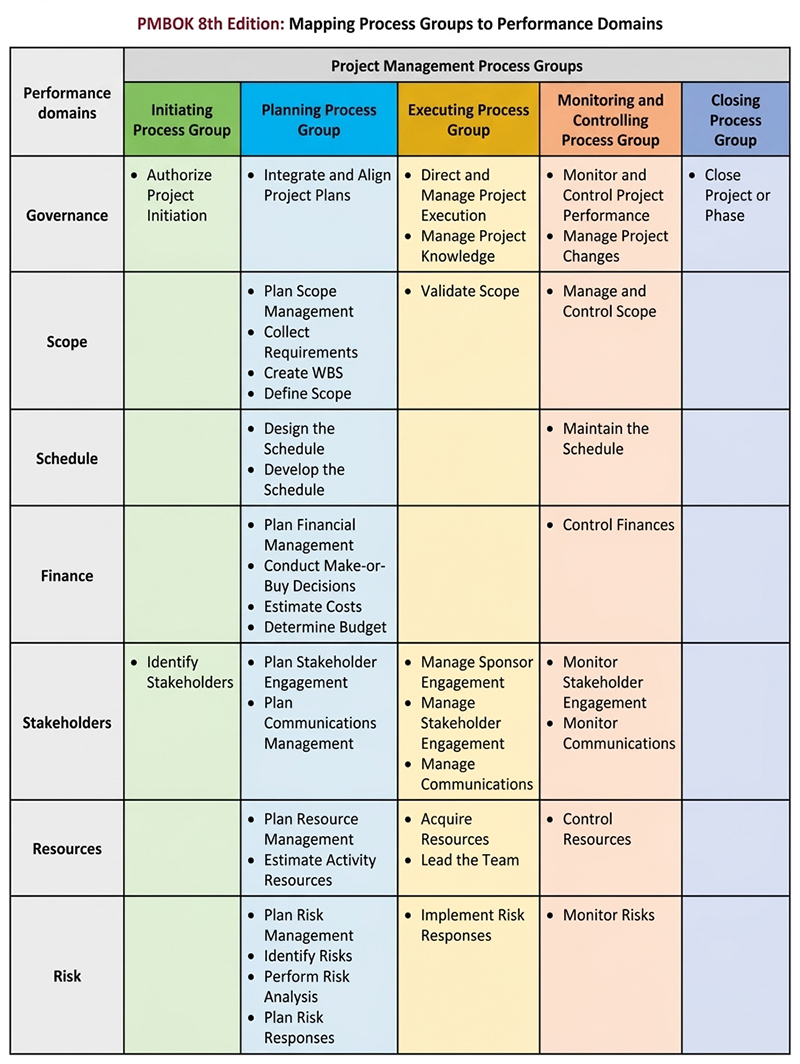
• 流程與交付架構 (Process):掌握第 8 版的 40 個流程管理、範疇與進度規劃(Scope & Schedule)、品質管理、
現代化風險調控,以及融合 AI 工具的進階實作。
• 現代企業環境與戰術 (Business Environment):評估專案合規性、實現組織價值交付(Value Delivery System)、
專案管理辦公室(PMO)治理、最新採購合約與外包策略優化。
課程包括:導師精心編製
最新 PMP v8 課程筆記及 PMBOK 8th Edition 電子書PMP
Practice Tests 試題練習課
程資源下載鏈結 (包括 PDF 筆記、電子書、模擬試題等),隨時掌握最新學習內容理論實戰並重,針對各科考試要點溫習全新
9 月份更新的模擬試題連 AI 參考答案和解釋 (模擬試題 "一年" 免費更新保證,考試更有彈性)由擁有
PMP , 並於 大型企業 任職的 I.T. 項目專員
親自任教
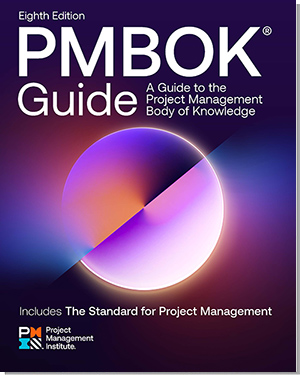
《PMBOK》第 8 版重新帶回更多結構性與實務指引。它引入了 6 項精簡原則、7 個更新的績效領域、5
個焦點範疇,以及 40 個流程。
其目標是結合《PMBOK》第7 版的彈性,與過往版本中所有
Project Manager 的清晰和完美的「操作指南」。


題庫有
AI 答案分析 和 中文翻譯,方便同學更加容易理解和閱讀!

Visual Cert Exam (VCE) 模擬考試軟件,增強考試能力!
授課語言:
課程全長:
課程由本中心資深導師 (擁有多年豐富實戰經驗 , 並於 大型跨國企業 任職的 I.T. 經理) 親自任教 .
|
PMP1212 |

( 登記成為 金會員 或 365 特級會員 即可 免費報讀 本課程 (自選日程) , 詳情按此 )
HK$ 4,480 ( 正價 )
HK$ 3,980 ( 優惠價 )
HK$ 3,680 ( 2 人同行 優惠價 )
|
請即致電 2380 9888 ( 來電請設有 來電顯示) / WhatsApp 確認優惠 . * 每學員優惠使用次數不限 . 優惠不可重疊使用 . 優惠詳情請參閱課程內頁相關說明 . |
提示 : 你可在薪俸稅下申請扣除你的個人進修開支 (包括本課程的 課程費用 及 考試費用) .
成功通過考試後獲得的國際認可證書及資格:

DOMAIN I: PEOPLE — 33%
Task 1: Develop a common vision
• Help ensure a shared vision with key stakeholders.
• Promote the shared vision.
• Keep the vision current.
• Break down situations to identify the root cause of a misunderstanding of the vision.
Task 2: Manage conflicts
• Identify conflict sources.
• Analyze the context for the conflict.
• Implement an agreed-on resolution strategy.
• Communicate conflict management principles with the team and external stakeholders.
• Establish an environment that fosters adherence to common ground rules.
• Manage and rectify ground rule violations.
Task 3: Lead the project team
• Establish expectations at the team level.
• Empower the team.
• Solve problems.
• Represent the voice of the team.
• Support the team's varied experiences, skills, and perspectives.
• Determine an appropriate leadership style.
• Establish clear roles and responsibilities within the team.
Task 4: Engage stakeholders
• Identify stakeholders.
• Analyze stakeholders.
• Analyze and tailor communication to stakeholder needs.
• Execute the stakeholder engagement plan.
• Optimize alignment among stakeholder needs, expectations, and project objectives.
• Build trust and influence stakeholders to accomplish project objectives.
Task 5: Align stakeholder expectations
• Categorize stakeholders.
• Identify stakeholder expectations.
• Facilitate discussions to align expectations.
• Organize and act on mentoring opportunities.
Task 6: Manage stakeholder expectations
• Identify internal and external customer expectations.
• Align and maintain outcomes to internal and external customer expectations.
• Monitor internal and external customer satisfaction/expectations and respond as needed.
Task 7: Help ensure knowledge transfer
• Identify knowledge critical to the project.
• Gather knowledge.
• Foster an environment for knowledge transfer.
Task 8: Plan and manage communication
• Define a communication strategy.
• Promote transparency and collaboration.
• Establish a feedback loop.
• Understand reporting requirements.
• Create reports aligned with sponsors and stakeholder expectations.
• Support reporting and governance processes.
DOMAIN II: PROCESS — 41%
Task 1: Develop an integrated project management plan and plan delivery
• Assess project needs, complexity, and magnitude.
• Recommend a project management development approach (i.e., predictive, adaptive/agile, or hybrid management).
• Determine critical information requirements (e.g., sustainability).
• Recommend a project execution strategy.
• Create an integrated project management plan.
• Estimate work effort and resource requirements.
• Assess consolidated project plans for dependencies, gaps, and continued business value.
• Maintain the integrated project management plan.
• Collect and analyze data to make informed project decisions.
Task 2: Develop and manage project scope
• Define scope.
• Obtain stakeholder agreement on project scope.
• Break down scope.
Task 3: Help ensure value-based delivery
• Identify value components with key stakeholders.
• Prioritize work based on value and stakeholder feedback.
• Assess opportunities to deliver value incrementally.
• Examine the business value throughout the project.
• Verify a measurement system is in place to track benefits.
• Evaluate delivery options to demonstrate value.
Task 4: Plan and manage resources
• Define and plan resources based on requirements.
• Manage and optimize resource needs and availability.
Task 5: Plan and manage procurement
• Plan procurement.
• Execute a procurement management plan.
• Select preferred contract types.
• Evaluate vendor performance.
• Verify objectives of the procurement agreement are met.
• Participate in agreement negotiations.
• Determine a negotiation strategy.
• Manage suppliers and contracts.
• Plan and manage the procurement strategy.
• Develop a delivery solution.
Task 6: Plan and manage finance
• Analyze project financial needs.
• Quantify risk and contingency financial allocations.
• Plan spend tracking throughout the project life cycle.
• Plan financial reporting.
• Anticipate future finance challenges.
• Monitor financial variations and work with the governance process.
• Manage financial reserves.
Task 7: Plan and optimize quality of products/deliverables
• Gather quality requirements for project deliverables.
• Plan quality processes and tools.
• Execute a quality management plan.
• Help ensure regulatory compliance.
• Manage cost of quality (CoQ) and sustainability.
• Conduct ongoing quality reviews.
• Implement continuous improvement.
Task 8: Plan and manage schedule
• Prepare a schedule based on the selected development approach
• Coordinate with other projects and operations.
• Estimate project tasks (milestones, dependencies, story points).
• Utilize benchmarks and historical data.
• Create a project schedule.
• Baseline a project schedule.
• Execute a schedule management plan.
• Analyze schedule variation.
Task 9: Evaluate project status
• Develop project metrics, analysis, and reconciliation.
• Identify and tailor needed artifacts.
• Help ensure artifacts are created, reviewed, updated, and documented.
• Help ensure accessibility of artifacts.
• Assess current progress.
• Measure, analyze, and update project metrics.
• Communicate project status.
• Continually assess the effectiveness of artifact management.
Task 10: Manage project closure
• Obtain project stakeholder approval of project completion.
• Determine criteria to successfully close the project or phase.
• Validate readiness for transition (e.g., to operations team or next phase).
• Conclude activities to close the project or phase (e.g., final lessons learned, retrospectives, procurement, financials, resources).
DOMAIN III: BUSINESS ENVIRONMENT — 26%
Task 1: Define and establish project governance
• Describe and establish the structure, rules, procedures, reporting, ethics, and policies through the use of organizational process assets (OPAs).
• Define success metrics.
• Outline governance escalation paths and thresholds.
Task 2: Plan and manage project compliance
• Confirm project compliance requirements (e.g., security, health and safety, sustainability, regulatory compliance).
• Classify compliance categories.
• Determine potential threats to compliance.
• Use methods to support compliance.
• Analyze the consequences of noncompliance.
• Determine the necessary approach and action(s) to address compliance needs.
• Measure the extent to which the project is in compliance.
Task 3: Manage and control changes
• Execute the change control process.
• Communicate the status of proposed changes.
• Implement approved changes to the project.
• Update project documentation to reflect changes.
Task 4: Remove impediments and manage issues
• Evaluate the impact of impediments.
• Prioritize and highlight impediments.
• Determine and apply an intervention strategy to remove/minimize impediments.
• Reassess continually to help ensure impediments, obstacles, and blockers for the team are being addressed.
• Recognize when a risk becomes an issue.
• Collaborate with relevant stakeholders on an approach to resolve the issues.
Task 5: Plan and manage risk
• Identify risks.
• Analyze risks.
• Monitor and control risks.
• Develop a risk management plan.
• Maintain a risk register (e.g., poor IT security).
• Execute a risk management plan (e.g., risk response for security and managing sustainability risks).
• Communicate the status of a risk impact on the project.
Task 6: Continuous improvement
• Utilize lessons learned.
• Help ensure continuous improvement processes are updated.
• Update organizational process assets (OPAs).
Task 7: Support organizational change
• Assess organizational culture.
• Evaluate the impact of organizational change on the project and determine required actions.
Task 8: Evaluate external business environment changes
• Survey changes to the external business environment (e.g., regulations, technology, geopolitical, market).
• Assess and prioritize the impact on project scope/backlog based on changes in the external business environment.
• Continually review the external business environment for impacts on project scope/backlog